



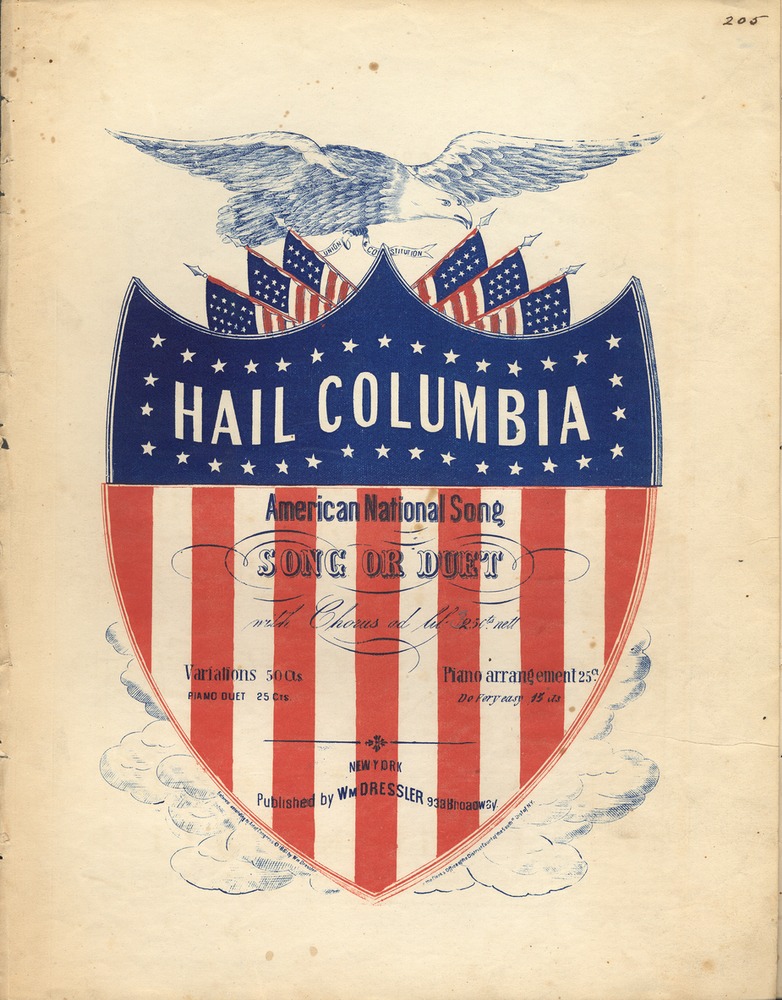
On the United States’ 250th birthday, I ran across a link to the country’s first national anthem, “Hail, Columbia.” While the current anthem, “The Star-Spangled Banner,” is probably more inspiring, “Hail, Columbia” arguably captures our history, who we are, even better.
Some people, on occasion, talk of changing the anthem to the insipid “America the Beautiful.” Other alternatives proposed are Woodie Guthrie’s “This Land is Our Land,” written in 1940, or Irving Berlin’s “God Bless America,” made famous by Kate Smith. While the latter is beautiful and poignant, having really come to fame when the dark clouds of World War II loomed, it still pales next to the “Star Spangled Banner,” which speaks to the sacrifice of our forefathers who faced annihilation by the British.
The most powerful national anthems in the world generally don’t speak of purple mountains majesty or dunes of sand, but of the struggles of people and nations. The French national anthem, “La Marseillaise,”is one of the most powerful anthems in the world for just this reason. Written during the height of the bloody French Revolution, when France was beset on all sides by enemies, it speaks of fighting off foes on French soil and letting that blood water French fields.
“Grab your weapons, citizens!
Form your battalions!
Let us march! Let us march!
May impure blood
Water our fields!”
That refrain sent a chill up the spines of monarchs and soldiers alike who faced France in the late 18th and early 19th century. The monarchies of Europe tried to put a king back on the French throne and were repeatedly defeated. The kings and queens of Europe feared their people would rise up like the French did and overthrow them.
That is what a national anthem should do, not speak of mountain heights but the heights of the human soul, of what a people united can do.
Even the old Soviet national anthem, though it represented an evil socialist system, spoke to that longing of the human heart to rise to greatness. Adopted in 1944, it was about the struggle of the Soviet people against the Nazis during World War II. Yes, in reality there was little difference between the two totalitarian, mass murdering ideologies, Nazism and communism, but Stalin and the Soviet leadership turned the struggle into a patriotic war of national survival, with the Russians (primarily) fighting to preserve their land and people against the German invaders.
“We raised our Army in battles,
And swept the vile invaders from the path!
In battles, we determine the fate of generations,
We bring glory to our Fatherland!”
That chorus is very similar to the chorus from “La Marseillaise,”sweeping the invaders from the fields of Russia. Even though the Soviets were supposedly building a multinational country, they still appealed to the patriotism of the land and people. In the first verse, they refer to “An unbreakable union of free republics, The Great Rus has sealed forever.” The Great Rus is a term for greater Russia.
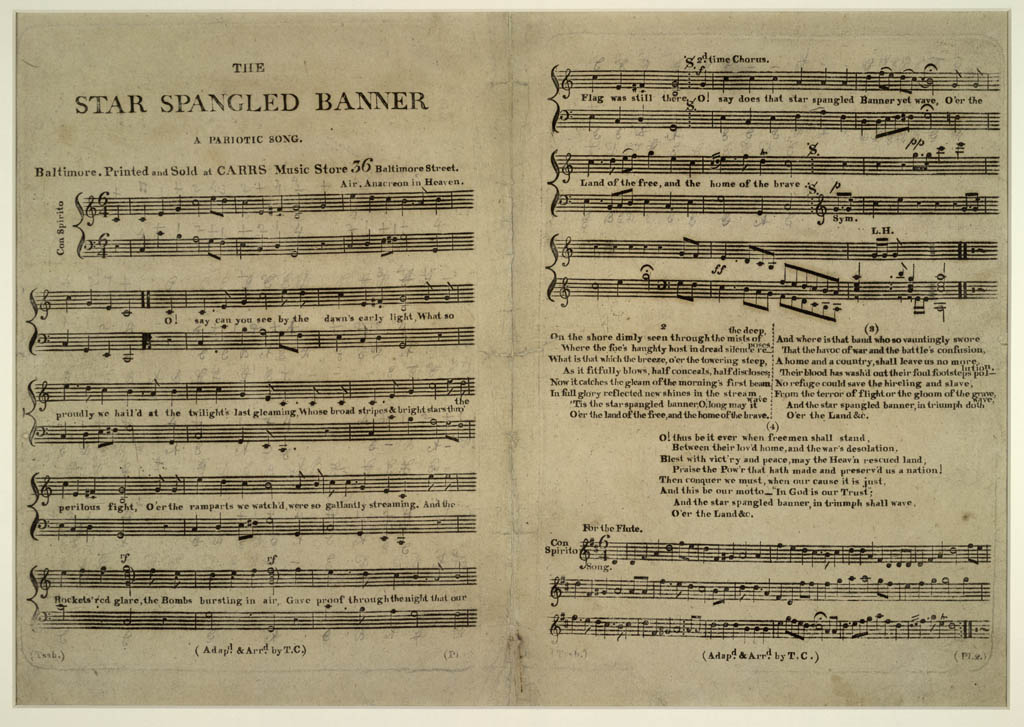
National anthems are meant to unite people. To bring us back to the United States, no other anthem has the power of “The Star-Spangled Banner,” written during the Battle for Fort McHenry, when Francis Scott Key saw the American flag flying above the fort, symbolizing the Americans holding the fort against a strong British bombardment.
If for some reason we were ever to change it—some claim our current anthem is too bloodthirsty, others claim it’s racist— then let’s look to our roots, and return to “Hail, Columbia.” Right now, this song is wasted as the Vice President’s March, playing the same role for the vice president as “Hail to the Chief” plays for the president. It is far more than that, however. It encapsulates our early history, our struggle to become a nation.
The first verse and chorus:
Hail Columbia, happy land!
Hail, ye heroes, heav’n-born band,
Who fought and bled in freedom’s cause,
Who fought and bled in freedom’s cause,
And when the storm of war was gone
Enjoy’d the peace your valor won.
Let independence be our boast,
Ever mindful what it cost;
Ever grateful for the prize,
Let its altar reach the skies.
Chorus
Firm, united let us be,
Rallying round our liberty,
As a band of brothers joined,
Peace and safety we shall find.
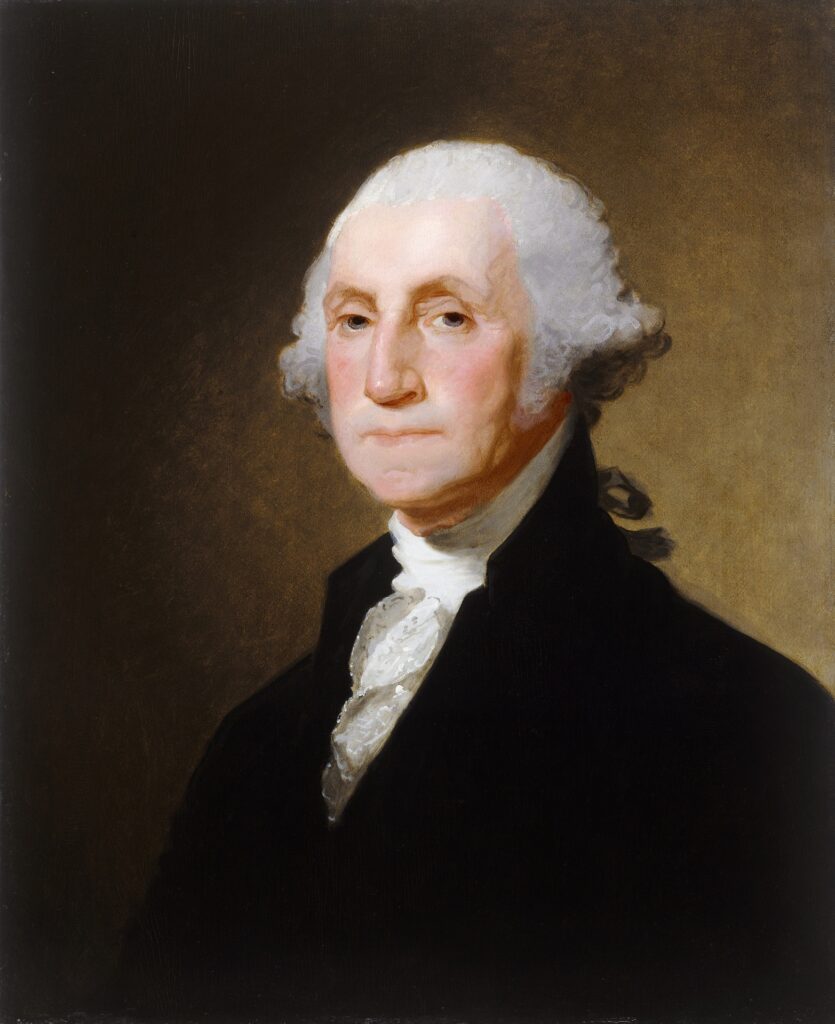
The fourth verse speaks directly of our first president, George Washington.
Sound, sound the trump of fame,
Let Washington’s great name
Ring through the world with loud applause,
Ring through the world with loud applause,
Let ev’ry clime to freedom dear,
Listen with a joyful ear,
With equal skill, with God-like pow’r
He governs in the fearful hour
Of horrid war, or guides with ease
The happier time of honest peace.
The song may sound a little dated but that might be the century-old rendition available online. The words carry the listener back to the early days of the United States and what made us a great nation. We still are.
